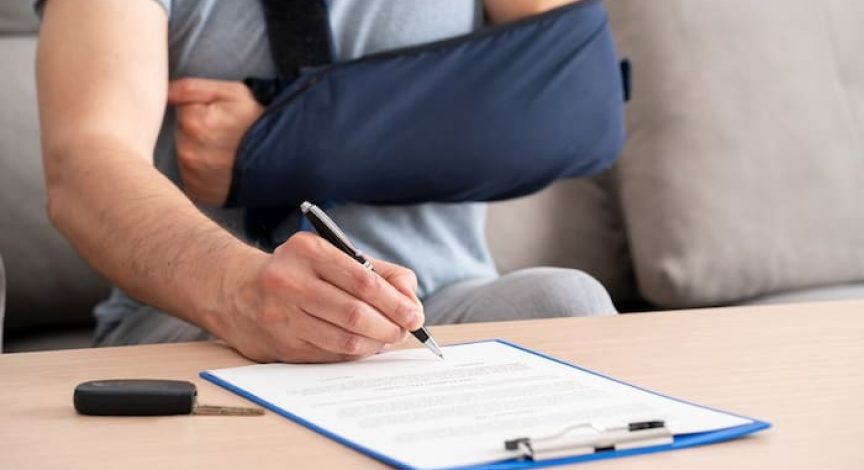
The period right after a serious accident is often confusing and stressful. Pain, paperwork, phone calls, and worry can all arrive at once, and it is hard to know which tasks are urgent and which can wait. Taking a steady approach during these early days protects both your health and any legal options you may want to consider later. A few sensible habits in the first week make a real difference in how the weeks that follow unfold.
Medical Care Comes First
The most important step after any serious accident is a full medical evaluation, even when injuries seem minor at first. Some conditions, including concussions and internal injuries, do not show clear symptoms right away. A prompt examination gives you the treatment you need and creates a medical record that connects your injuries to the accident. Following through on recommended care, including follow-up visits and physical therapy, supports your recovery and shows that you have treated your health as a priority rather than an afterthought.
Keeping a Record While Details Are Fresh
Memory fades quickly, so it helps to write down what happened as soon as you are able. Note the time, the location, the weather, and the sequence of events as you remember them. If you have photographs of the scene, your injuries, or any property damage, save them somewhere safe. Keep copies of medical bills, records of missed work, and receipts for expenses related to the accident. A simple folder, whether on paper or on a device, keeps this information organized and easy to find when you need it.
Reporting the Accident to the Right Parties
Many accidents need to be reported, and the correct party depends on the situation. A traffic collision is usually reported to law enforcement, while an injury at a business or on someone else’s property may be reported to a manager or owner. If the accident happened at work, your employer generally needs to be notified within a set period. Ask for a copy of any report that gets created, and write down the names and contact information of anyone involved, along with any witnesses who saw what happened.
Early Conversations With Insurance Companies
Insurance representatives often reach out soon after an accident, and their questions can feel routine. Caution is reasonable here. You are not required to give a recorded statement right away, and you do not have to accept a quick settlement offer. Early offers are sometimes made before the full extent of an injury is known, which can leave later expenses uncovered. Sharing basic facts is fine, but speculating about fault or the seriousness of your injuries can create complications. Slowing down these conversations gives you the time to understand your situation clearly.
Preserving Evidence Before It Disappears
Evidence has a way of vanishing as time passes. Vehicles get repaired, surveillance footage is recorded over, and the physical conditions at a scene change. If something about the accident may matter later, try to preserve it. Keep damaged property in its current state when you can, and note any cameras that might have captured the event. Written accounts from witnesses grow harder to gather as weeks go by, so collecting contact information early holds value even if you are not sure you will need it.
Time Limits That Affect a Claim
Every state sets deadlines for taking legal action after an injury, and these deadlines vary depending on the type of claim and who is involved. California and Nevada each have their own rules, and certain situations, such as a claim against a public entity, involve much shorter notice periods. Missing a deadline can end a claim before it begins, regardless of how strong it might otherwise have been. Because these timelines can be complicated, it is worth learning which ones apply to your circumstances well before they draw near.
Moving Forward With Realistic Expectations
The days after a serious accident are rarely tidy, and feeling overwhelmed is normal. Focusing on medical care, keeping good records, and staying thoughtful in early conversations puts you in a stronger position, whatever you decide to do next. Recovery takes time, and so does resolving the practical and legal questions that follow an accident. Understanding the steps that matter early on allows you to move at a reasonable pace, with a clearer sense of what lies ahead.