Rideshare services have changed the way many people travel, and they have also raised new questions when accidents happen. A collision involving a rideshare vehicle can involve several insurance policies, and figuring out which one applies is rarely straightforward. Passengers, other drivers, and pedestrians all may find themselves navigating a situation that looks different from an ordinary car accident. Because more than one policy may respond, the process can feel layered and slow. Knowing what to expect helps injured people approach it with patience and gather the right details from the start.
Why These Cases Are More Complicated
A typical car accident involves the personal insurance policies of the drivers. A rideshare accident adds another layer, because the company that operates the app also carries coverage. Which policy applies often depends on what the rideshare driver was doing at the moment of the collision. This detail, more than the accident itself, tends to determine where an injured person turns for compensation, and it can make these cases harder to resolve than they first appear.
The Role of App Status
Coverage in a rideshare accident often turns on the driver’s status in the app. A driver who is logged off is generally treated like any other motorist, with only personal coverage in play. A driver who is logged in but waiting for a ride request may have a limited layer of company coverage available. A driver who is on the way to a passenger or carrying one usually falls under a larger company policy. These distinctions can feel technical, yet they shape the entire claim.
Where Passengers Stand
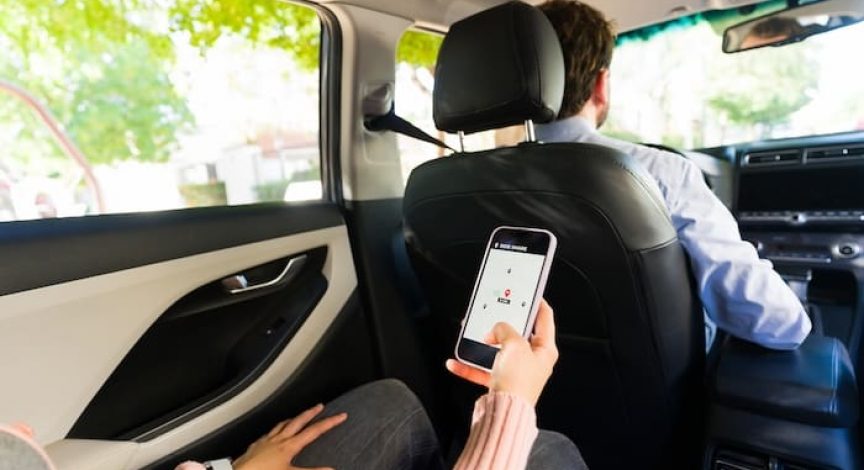
A passenger injured during a rideshare trip is usually in a favorable position when it comes to coverage, since the driver is typically engaged in a ride at that moment. Even so, passengers can face complications if fault is disputed or if another vehicle contributed to the crash. Documenting the trip, saving the ride receipt, and noting the details of the vehicle and driver all help establish the circumstances and support a claim later.
Other Drivers and Pedestrians
People outside the rideshare vehicle face their own challenges. A driver struck by a rideshare car, or a pedestrian injured in such a collision, may need to determine the rideshare driver’s status before knowing which policy applies. This information is not always easy to obtain in the moment. Gathering the driver’s name, the company involved, and any confirmation of an active trip provides a starting point for sorting out coverage afterward.
Steps That Protect a Claim
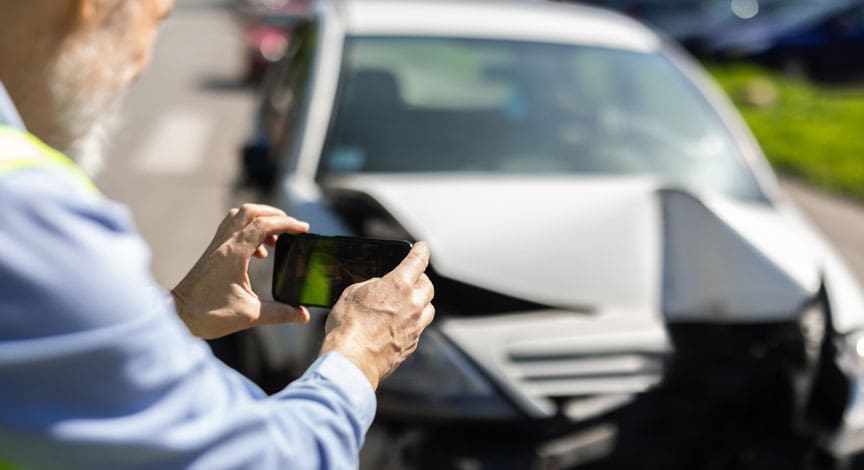
The same careful habits that help after any accident apply here, with a few additions. Recording whether the vehicle displayed rideshare markings, saving screenshots of the trip if you were a passenger, and identifying the company involved all matter. Because multiple insurers may be involved, statements made early can affect more than one claim. A measured approach to those early conversations helps avoid complications as the different policies come into focus.
Gaps Between Coverage Periods
One reason rideshare coverage is confusing is that the level of protection can shift as a driver moves between phases of app use. During certain periods, only limited coverage may apply, while during others a larger policy responds. These transitions can create situations where the available coverage is smaller than an injured person expects. The moment of the collision, measured against the driver’s activity at that instant, determines which period applies. Because the difference between one period and the next can be significant, establishing exactly what the driver was doing when the crash occurred often becomes a central question in sorting out coverage.
Making Sense of a Layered System
Rideshare accidents sit at the intersection of personal and commercial insurance, and the overlap can be confusing. The key detail is usually the driver’s activity at the time of the crash, which determines whose coverage responds. Understanding this framework helps injured people ask the right questions and gather the right information, so that the process of sorting out coverage begins on solid footing rather than guesswork.