If you are hit by an uninsured driver in California, you are not left without options. California Insurance Code section 11580.2 requires insurers to offer uninsured motorist (UM) coverage, which allows you to file a claim with your own insurer when the at-fault driver has no coverage. You may also sue the uninsured driver directly in civil court to recover medical expenses, lost income, and pain and suffering, although collecting a judgment from an uninsured individual can be difficult. A California car accident attorney can help you identify every available source of recovery.
1. California’s Mandatory Insurance Laws:
California law mandates that all drivers must carry a minimum amount of liability insurance to cover potential damages in the event of an accident. However, despite this requirement, there are still drivers on the road who do not have insurance. If you’re in an accident with an uninsured driver, you might wonder how you’ll cover medical bills, property damage, and other costs that can result from the collision.
2. Uninsured Motorist (UM) Coverage:
Fortunately, California law also requires insurance companies to offer Uninsured Motorist (UM) coverage as part of their insurance policies. UM coverage provides protection for you if you’re in an accident with a driver who doesn’t have insurance or who has insufficient coverage to pay for your damages. This coverage can help you with medical expenses, property damage, and even lost wages due to the accident.
3. Filing a Claim:
After an accident with an uninsured driver, you’ll need to file a claim with your own insurance company if you have UM coverage. This process is similar to filing a claim after an accident with an insured driver. Your insurance company will assess the damages, investigate the accident, and determine the compensation you’re entitled to based on your policy limits.
4. Hit and Run Accidents:
Sometimes, accidents involving uninsured drivers turn into hit and run incidents, where the responsible driver flees the scene. In such cases, California law requires you to report the accident to law enforcement and your insurance company promptly. UM coverage can also apply to hit and run accidents, giving you a safety net when the at-fault driver cannot be identified or located.
5. Pursuing Legal Action:
If the accident’s damages exceed the limits of your UM coverage or if you don’t have UM coverage, you may consider pursuing legal action against the uninsured driver. However, keep in mind that even if you win a lawsuit and receive a judgment against the uninsured driver, enforcing that judgment and actually recovering compensation can be a challenging process.
6. Documenting the Accident:
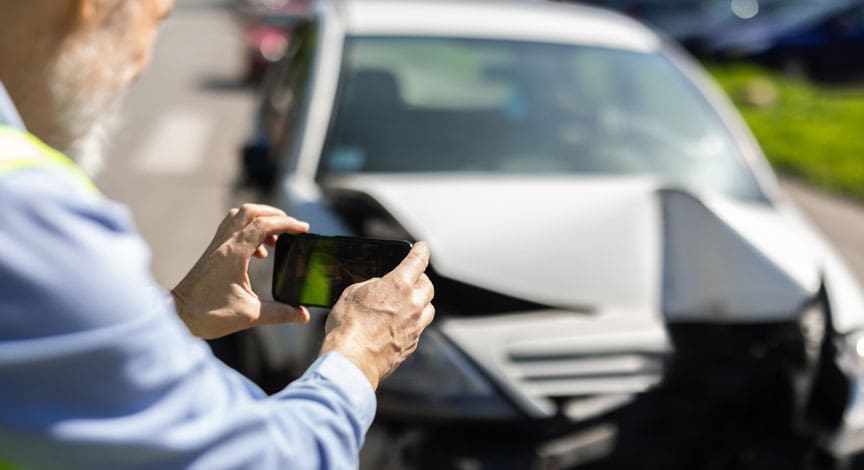
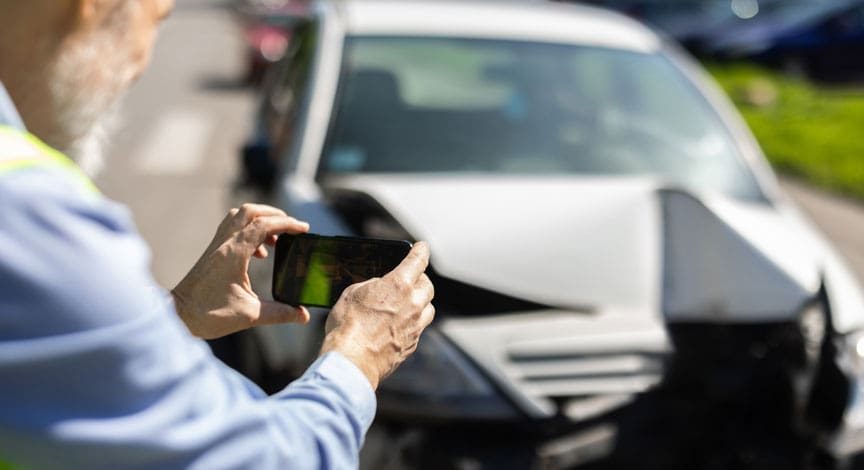
As with any accident, it’s crucial to gather as much evidence as possible. Exchange information with the other driver, take photos of the accident scene and damages, and collect witness statements if available. This documentation can be invaluable when filing a claim with your insurance company or if you need to pursue legal action.
Being in an accident caused by an uninsured driver is a difficult situation, but California law provides measures to protect you and ensure that you’re not left solely responsible for the damages. If you have Uninsured Motorist coverage, it can serve as a safety net to help you recover financially after such accidents. If you’re unsure about your coverage or need guidance on how to proceed after an accident with an uninsured driver, consider consulting with an experienced attorney who can provide you with personalized advice and help you navigate the legal process. Remember, knowing your rights and options is essential in securing the compensation you deserve after an unfortunate accident.
Frequently Asked Questions
What are my options if an uninsured driver caused my accident in California?
You have two main options: file a claim under your own uninsured motorist coverage, or sue the at-fault driver directly. California requires insurers to offer UM coverage, though policyholders can decline it in writing. If you have UM coverage, it pays for medical bills, lost wages, and pain and suffering up to your policy limit. Without UM coverage, a civil lawsuit against the driver is usually the main option, and collecting can be difficult if the driver has few assets.
Is uninsured motorist coverage required in California?
California law requires auto insurers to offer uninsured motorist coverage, but drivers are allowed to decline it in writing. If you accepted UM coverage when you bought your policy, you can file a UM claim after a crash with an uninsured driver. If you declined it, your options are generally limited to a civil lawsuit against the at-fault driver or against any other party that shares liability.
Can I sue an uninsured driver in California?
Yes. You can file a civil lawsuit against an uninsured driver in California to recover your damages. Winning a judgment does not guarantee payment, though, because collection depends on whether the driver has assets or income to reach. An attorney can help you weigh whether a lawsuit is likely to produce an actual recovery, or whether an uninsured motorist claim or another source is more practical.
How long do I have to file a claim after an accident with an uninsured driver in California?
California's statute of limitations for personal injury is generally two years from the date of the accident under Code of Civil Procedure section 335.1. Uninsured motorist claims follow their own timeline: state law requires you to file suit or request arbitration within two years of the accident, and your policy may set shorter deadlines for reporting the crash. Report the accident to your insurer promptly and speak with an attorney as soon as you can.
What if the other driver has no assets, can I still recover anything?
If the uninsured driver has no significant assets, recovering through a civil judgment may not be practical. In that situation, your own uninsured motorist coverage is usually the most reliable source of compensation. A third party may also share liability, such as a property owner, an employer, or a vehicle manufacturer, and that possibility is worth investigating. Rafii & Associates offers a free consultation and works on a contingency fee basis, so there is no fee unless compensation is recovered.