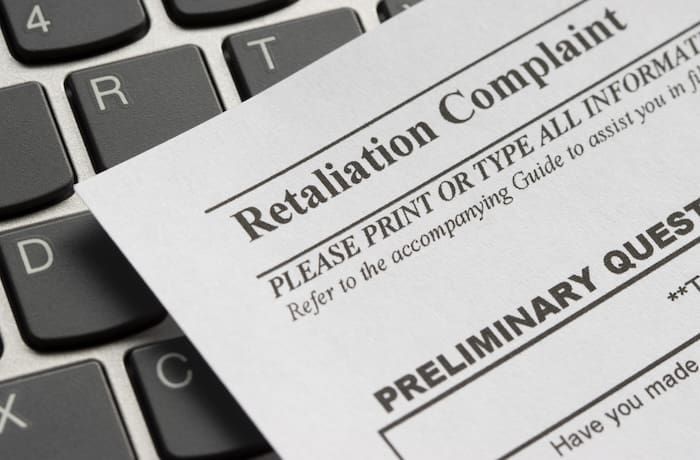
When an employee experiences discrimination or harassment at work, the situation is often stressful and confusing. One thing that consistently helps is thorough documentation. A clear record of what happened, created as events unfold, can make a meaningful difference later. Understanding what to document and how to do it puts employees in a stronger position, whether they raise the issue internally or pursue it further. The value of a good record grows over time, especially if a situation escalates. Building the habit early, before it feels necessary, tends to serve employees far better than trying to reconstruct events later.
Why Documentation Matters
Workplace disputes frequently come down to competing accounts of what happened. An employee who has kept a detailed record is better able to describe events accurately and consistently. Memory fades, and details blur over time, so notes created close to the events tend to carry more weight. Documentation does not guarantee any particular outcome, but it provides a foundation that a person relying on memory alone often lacks. This is why building a record early is so valuable.
What to Write Down
Effective documentation captures the specifics. For each incident, it helps to note the date, the time, the location, who was involved, and what was said or done. Recording the names of anyone who witnessed the event is also useful. The goal is to describe the facts plainly, without embellishment. A record that reads as a straightforward account of events tends to be more credible than one filled with conclusions, so sticking to what happened is the better approach.
Preserving Related Materials
Beyond written notes, other materials can support a record. Emails, text messages, performance reviews, and other documents may become relevant. Saving copies of these items, stored somewhere outside the employer’s systems when possible, helps ensure they remain available. If a comment was made in writing, preserving that message can be important. The aim is to keep a complete picture, so that the record reflects both the events and any supporting materials connected to them.
Keeping the Record Separate and Private
Documentation is most useful when it is kept in a place the employee controls. Storing notes on a personal device or in a personal account, rather than on work systems, helps ensure continued access if the employment situation changes. Keeping the record private also matters, because sharing it prematurely can complicate matters. The point is to maintain a reliable, accessible account without exposing it before the appropriate time.
Following Internal Reporting Procedures
Many workplaces have procedures for reporting discrimination or harassment. Documenting not only the underlying conduct but also any reports made and the employer’s response can be important. If a complaint was submitted and nothing changed, that fact may matter. Keeping track of when and how concerns were raised, and what followed, adds another layer to the record and can be relevant to how the situation is understood later.
Consistency Over Time
A record is most persuasive when it is consistent and maintained steadily. Entries made close to each event, describing what happened in plain terms, tend to carry more weight than a summary assembled long afterward. Consistency also means recording events as they occur rather than selectively, which lends the record credibility. An account that reflects a steady pattern of documentation, rather than a burst of notes created only when a dispute arises, presents a more reliable picture. Maintaining this consistency requires some discipline, but it strengthens the foundation that documentation is meant to provide.
Building a Record With Care
Thorough documentation is one of the most practical steps an employee can take when facing discrimination or harassment. A clear, factual, contemporaneous record supports an accurate account of events and provides a foundation for whatever path the employee chooses. Approaching documentation with care, focusing on facts and preserving related materials, leaves an employee better prepared to address the situation on solid footing.