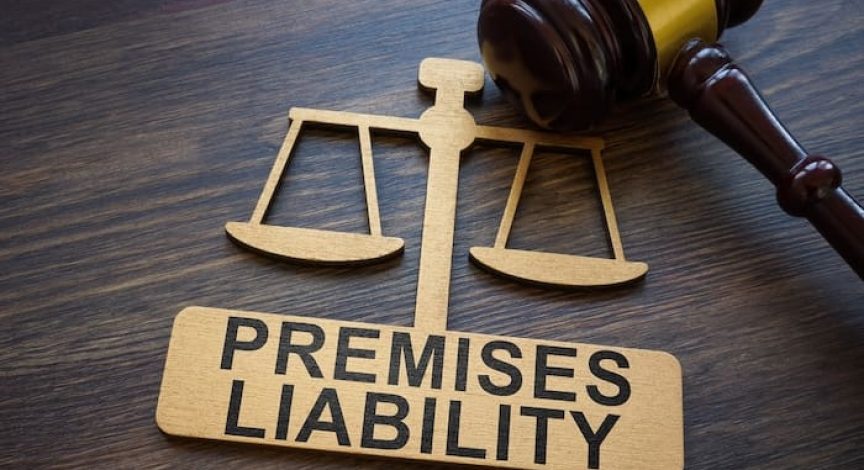
Premises liability claims arise from a wide range of dangerous conditions on property. Some hazards are dramatic, while others are so ordinary that people walk past them every day until someone is hurt. Recognizing the conditions that commonly lead to injuries helps property owners understand their responsibilities and helps injured people understand what may have gone wrong. The underlying issue is usually a hazard that could have been addressed but was not. Recognizing these conditions is useful for property owners and visitors alike. The underlying question in each case is usually whether the hazard could have been addressed through reasonable care before it caused harm.
Slippery and Uneven Surfaces
Falls are among the most common sources of premises liability claims, and slippery or uneven surfaces are frequent culprits. A freshly mopped floor without a warning sign, a spill left unattended, or a patch of ice near an entrance can all cause serious falls. Uneven flooring, torn carpeting, and unexpected changes in level create similar risks. These hazards often seem minor until a fall results in a real injury, which is part of why they are so commonly overlooked.
Inadequate Lighting
Poor lighting contributes to many injuries, particularly in stairwells, parking areas, and hallways. When a space is too dark, people cannot see hazards that would otherwise be obvious, such as a step, a curb, or an object in the path. Lighting that has burned out and gone unrepaired is a recurring issue. Property owners are generally expected to keep areas used by visitors adequately lit, and a failure to do so can play a role in a claim.
Stairways and Handrails
Stairs present their own set of dangers. Broken steps, loose or missing handrails, and worn treads can turn an ordinary descent into a fall. Building requirements often address the dimensions and construction of stairways, and departures from those standards can matter in a claim. Because falls on stairs frequently cause significant injuries, the condition of steps and railings is a common focus when a property-related injury occurs.
Falling Objects and Unstable Structures
Not all premises hazards involve the ground. Merchandise stacked improperly, items stored on high shelves, and unstable fixtures can fall and injure people below. In retail settings, this risk is especially relevant. Structures that are poorly maintained, such as decks, railings, and ceilings, can also give way. These hazards tend to reflect a failure in how the property was maintained or how items were stored, which is central to the question of responsibility.
Negligent Security and Foreseeable Harm
Some premises claims involve harm caused not by a physical defect but by inadequate security. When a property owner fails to take reasonable measures in an area where criminal activity is foreseeable, an injury that results may lead to a claim. Broken locks, absent lighting, and a lack of basic precautions can all contribute. This category recognizes that keeping a property reasonably safe sometimes means more than fixing physical defects.
Weather and Outdoor Conditions
Conditions outside a building present their own hazards, and weather often plays a role. Rain tracked into an entrance, ice near a doorway, or wet leaves on a walkway can create slippery surfaces. Poorly maintained parking areas, uneven pavement, and obscured curbs add further risks. Property owners are generally expected to take reasonable steps to address weather-related hazards, such as placing mats at entrances or clearing dangerous accumulations. What counts as reasonable depends on the circumstances, but ignoring an outdoor hazard that a careful owner would have addressed can contribute to a premises liability claim when someone is injured as a result.
Connecting the Hazard to Responsibility
Identifying a hazard is only part of the picture. A premises liability claim also depends on whether the property owner knew or should have known about the condition and failed to address it. The same hazard can lead to responsibility in one case and not another, depending on these facts. Understanding both the common hazards and the role of the owner’s knowledge gives a clearer view of how these claims come together.