


Wrongful Termination

Pedestrian Accident
Common Carrier
Bus Rollover
Class Action
Wage & Hour
Taxi Driver
Kidnapping
Consumer Fraud
Trucking Accident
Fall From Tree on
Residential Property
Wrongful Termination
Pedestrian Accident
Common Carrier
Bus Rollover
Class Action
Wage & Hour
Taxi Driver
Kidnapping
Consumer Fraud
Trucking Accident
Fall From Tree on
Residential Property





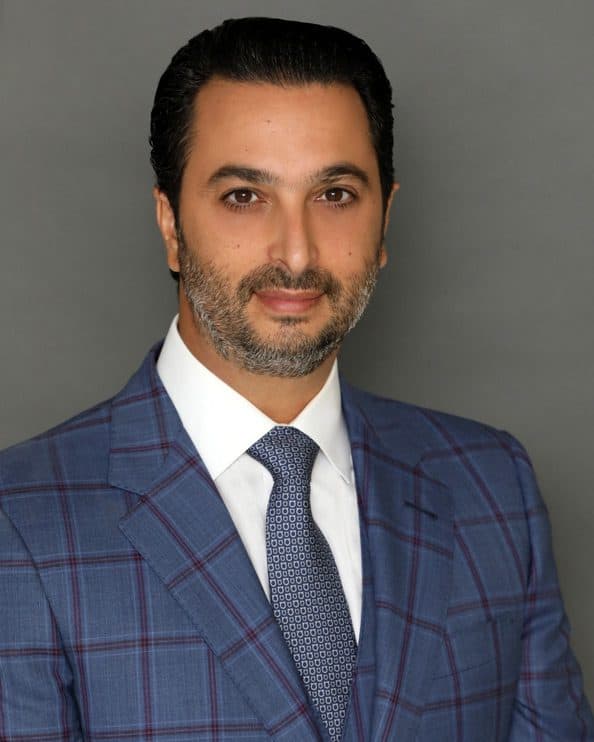

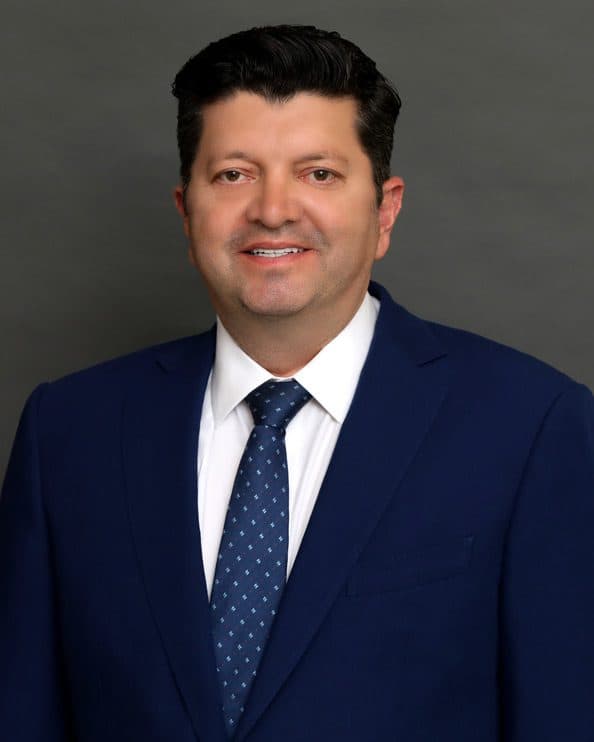
Daniel J. Rafii is a founder at Rafii & Associates, P.C., where he devotes his practice to personal injury and employment matters. After working at the San Diego Superior Court and a boutique litigation firm in Los Angeles, Mr. Rafii founded Rafii & Associates in 2007. After a friend’s younger sister was kidnapped in a yellow cab taxi, and a nearly 4 year battle with multiple insurance companies all of whom vehemently disputed liability, Mr. Rafii vowed to devote all his energy and resources to helping individuals in need and taking on the ‘goliaths’.
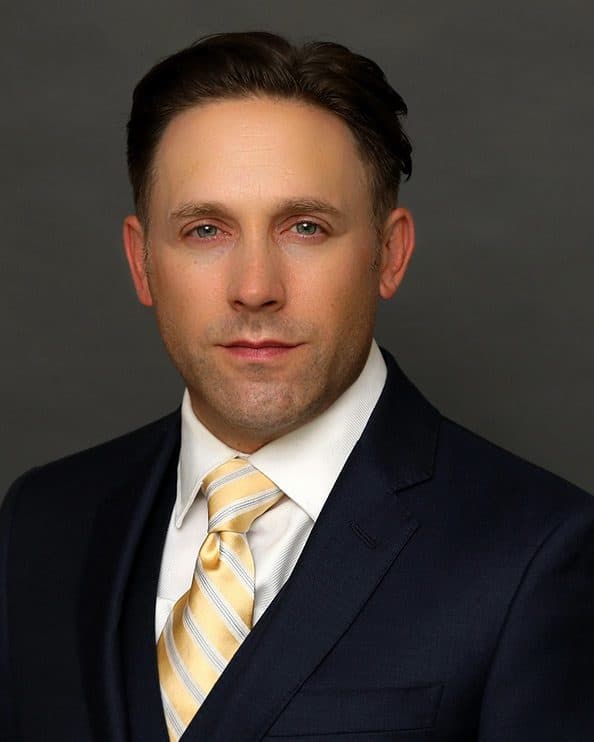
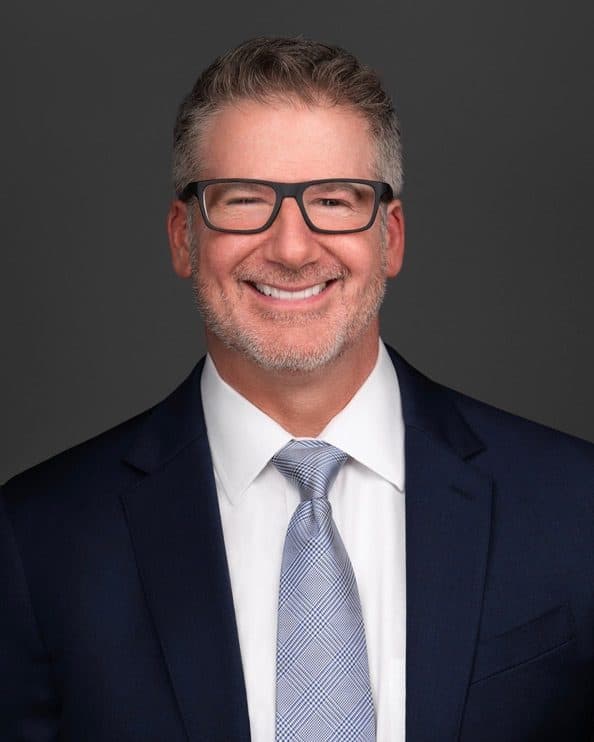
Chris is a seasoned trial advocate with over fifteen years of experience litigating cases of involving catastrophic personal injury, brain injury, toxic exposure, product liability, tractor-trailer collisions, and public transportation accidents, both on the defense, and plaintiff’s side. For more than ten years Chris has dedicated his career to assisting the catastrophically injured in achieving justice in both trial, and arbitration, including a trial verdict in the conservative jurisdiction of Chatsworth, Ca in which he obtained pain and suffering...
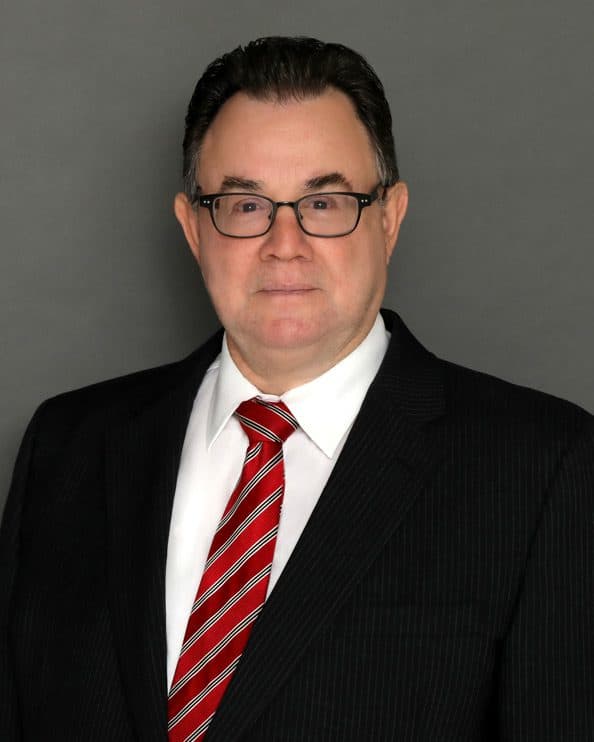
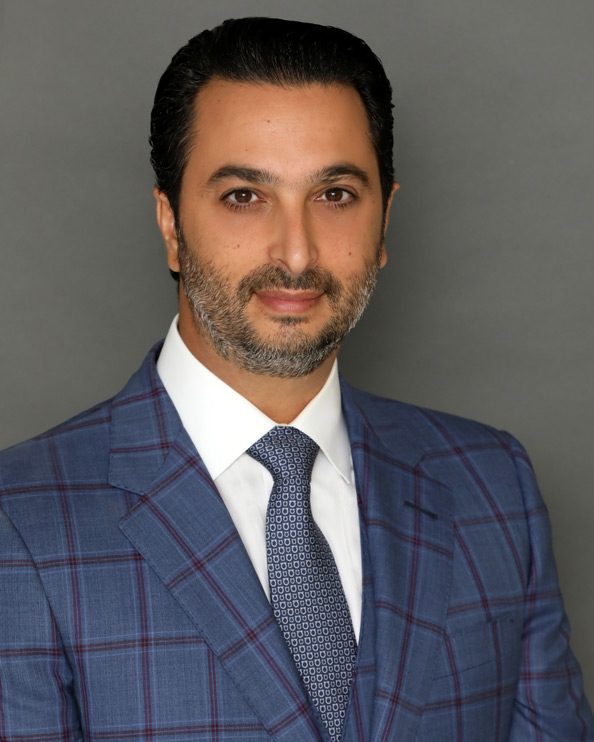
Department Head of the Labor & Employment and the Wage & Hour Class Actions Practice Groups. A go-to resource in complex employment matters, Robert leverages his legal experience and deep subject matter knowledge to achieve successful results on behalf of employee-side clients. Robert is a tenacious federal and state court litigator known for his thorough understanding of intricate...
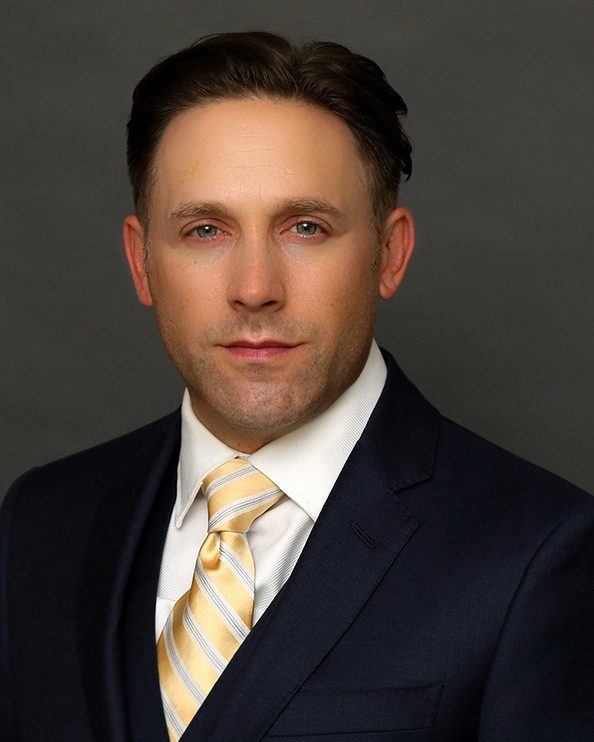
Peter obtained his bachelor’s degree from Rutgers University in New Jersey and his Juris Doctor from Southwestern University in Los Angeles. He has been a licensed attorney in California since 1981. Peter is admitted to practice in all state courts as well as all United States District Courts for the State of California and the Ninth Circuit Court of Appeals. He has also appeared...
Eber grew up in New York City and loves to travel to new places at every opportunity. He has one son, who also loves to travel. Eber sits on the board of the Biddy Mason Charitable Foundation of the First A.M.E. Church, the oldest black church in Los Angeles. Eber has practiced law Pro-Hoc Vice in several other states, such as Florida, Arizona, Washington, New York, and Illinois...
Before opening the Las Vegas office of Rafii & Associates, Jason served as principal of Kuller Law PC in Reno, Nevada, an employment law boutique focusing on workers’ rights and specializing in class actions. As an employment lawyer, Jason has conducted hundreds of seminars nationwide on legal compliance and workplace harassment. After years of defending employers and managers...

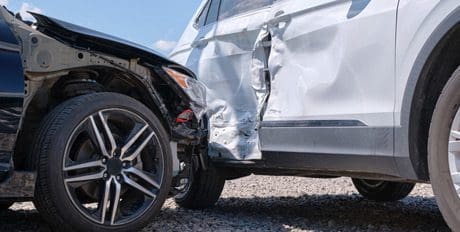
Car Accidents
Relentless Advocacy for Car Accident Victims.
A car accident can leave you facing medical bills, lost wages, and a long road to recovery. Our experienced attorneys have recovered millions for clients, holding negligent drivers and insurance companies accountable. With a legacy of success and a commitment to justice, we fight for the maximum compensation you deserve. Don’t settle for less—let us protect your rights and your future.
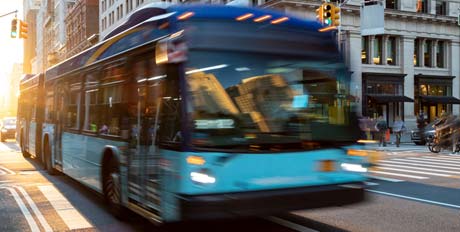
Bus Accidents
Public Transport. Private Impact.
Bus accidents can cause serious harm to passengers, pedestrians, and other drivers—often with complex questions of liability involving government agencies or private companies. Whether the crash was caused by driver negligence, mechanical failure, or poor oversight, victims deserve answers and compensation. Our attorneys have the experience to take on public and private transit operators, ensuring accountability and justice. If you were injured in a bus accident, let us fight for the support and compensation you deserve.
Commercial Trucking Accidents
Heavy Trucks. Lifelong Consequences.
Collisions involving commercial trucks often cause devastating injuries due to their massive size and weight. Victims may face long recoveries, permanent disabilities, or even the loss of a loved one. Our firm holds trucking companies and drivers accountable for negligence, from driver fatigue to improper maintenance and overloaded cargo. We fight for full compensation to cover medical bills, lost income, and long-term care. If a commercial truck crash changed your life, let us fight to protect your future.

Rideshare Accidents
Modern Transportation. Complex Liability.
Injured in a crash involving Uber or Lyft? Rideshare accidents raise unique legal issues—including determining liability between the driver, the company, and other parties. Our attorneys know how to navigate these complexities. Whether you were a passenger, another driver, or a pedestrian, we build strong cases to hold the right parties accountable and recover the compensation you need. Don’t let confusion delay your claim—let us handle the legal maze while you focus on healing.
Slip & Fall Injuries
Serious Injuries. Strong Representation.
A slip and fall can lead to severe injuries, costly medical bills, and lost wages. Property owners have a duty to maintain safe conditions—when they fail, we hold them accountable. Our experienced attorneys fight for maximum compensation, ensuring you get the support you need to recover. Don’t let negligence go unchecked—if you’ve been injured due to unsafe conditions, let us fight for your rights.

Premises Liability
Unsafe Properties. Serious Consequences.
Property owners have a legal duty to keep their premises safe. When negligence leads to injuries—whether from unsafe walkways, poor security, or hazardous conditions—you deserve justice. Our experienced premises liability attorneys fight for maximum compensation, holding negligent parties accountable. If you’ve been injured due to dangerous property conditions, don’t settle for less. Let us protect your rights and pursue the compensation you deserve.
Wrongful Death
Justice for Your Loss. Accountability for Their Negligence.
Losing a loved one due to negligence is devastating. While no compensation can replace your loss, a wrongful death claim can provide financial security and hold the responsible party accountable. Our compassionate attorneys fight for families, securing justice and the compensation they deserve for medical costs, lost income, and emotional suffering. You don’t have to navigate this alone—let us advocate for you.